High-Quality Memory Care Services: Why They Matter for Households
Quality dementia support programs serve as an vital role for families facing the complexities of dementia. These programs provide customized support that addresses both the needs of residents and their caregivers. By promoting safety, comfort, and emotional connections, quality care works to alleviate loneliness. However, not all dementia care centers are created equal. Knowing what to look for can significantly affect the well-being of those involved. What key aspects should households focus on?
 }
}Dementia: Barriers and Answers
Dementia presents a complicated range of challenges for individuals, families, and caregivers similarly. The mental deterioration associated with dementia impacts memory, reasoning, and daily functioning, complicating routine tasks and raising reliance on others. Families often struggle with the emotional toll of witnessing their loved ones' deterioration, leading to feelings of helplessness and frustration. Caregivers face the burden of managing physical care while navigating the unpredictable behaviors linked to the condition.
To address these challenges, premium dementia care programs deliver organized settings created to enhance the standard of living for individuals with dementia. Such services typically include specialized training for personnel, customized engagement activities, and treatment approaches intended at preserving cognitive function. Additionally, these establishments offer respite for families, allowing them to recharge while ensuring their loved ones receive suitable support. Ultimately, successful approaches can considerably alleviate the burdens related to dementia, creating a caring environment for all involved.
Psychological Aid for Household Units
Caring for a loved one dealing with cognitive decline can place significant emotional strain on loved ones. The strain of daily caregiving responsibilities often produces feelings of isolation, anxiety, and grief. Family members may struggle with the gradual loss of their family member's identity, sparking a deep feeling of melancholy. This emotional burden can impact not only the main caretaker but also siblings and extended family, causing strained relationships and increased tension.
Getting access to psychological care is important for families confronting these obstacles. Community gatherings, counseling services, and community resources can deliver an avenue for sharing perspectives and developing stress management skills. Partnering with others who understand similar difficulties promotes a sense of belonging and alleviates social loneliness. At the end of the day, emphasizing emotional well-being is critical for families, as it allows them to offer compassionate support while also safeguarding their own psychological well-being.
Specialized Memory Care: Why It Counts
Specialized memory care serves as an indispensable role in enhancing the standard of living for individuals facing cognitive decline. These programs are structured to meet the unique needs of residents with conditions such as Alzheimer's or other forms of dementia. Trained caregivers understand the complexities of mental deterioration and implement tailored methods that promote participation and comfort.
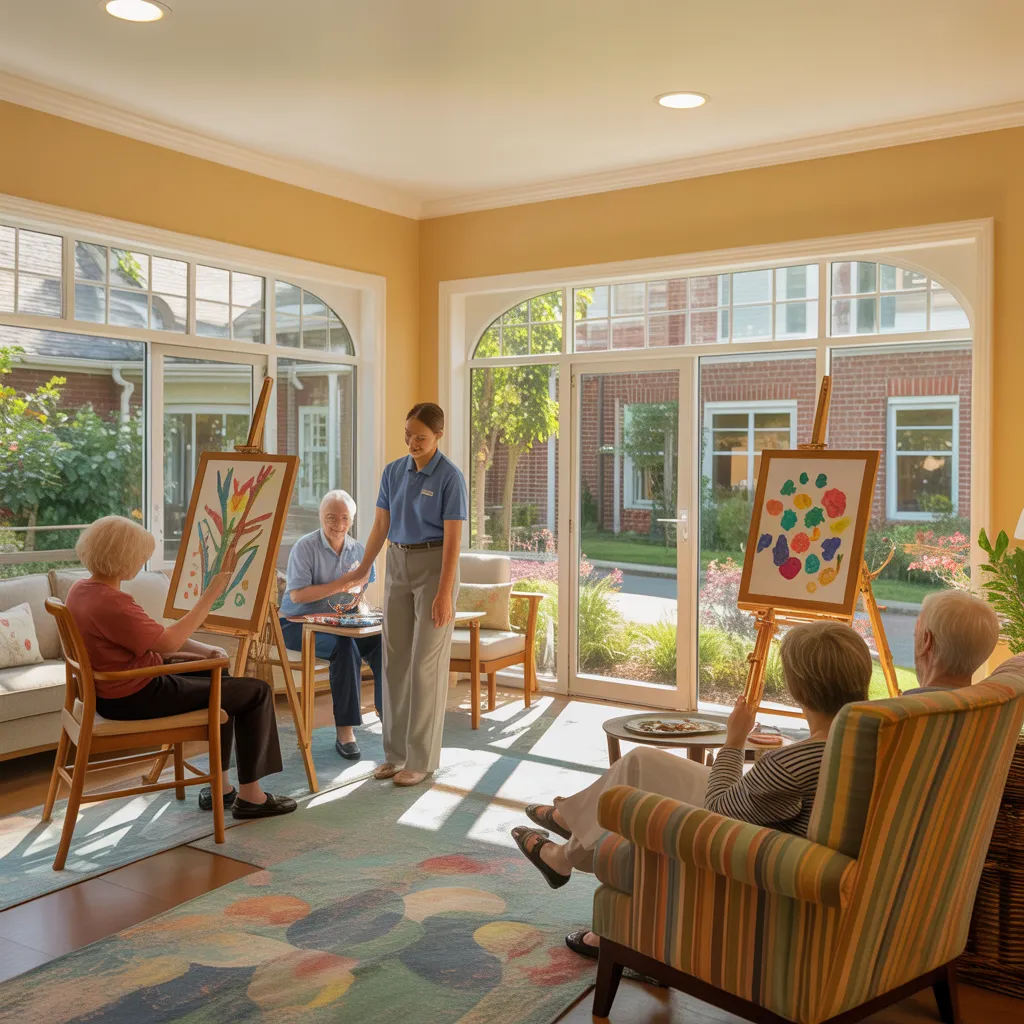
Within a particular environment, residents experience structured routines that help reduce anxiety and confusion. Activities are specifically designed to activate cognitive function and encourage social interaction, fostering a sense of community. Moreover, the attention to safety and security provides assurance that individuals can move around their surroundings without unnecessary risks.
Families frequently feel assured knowing their cherished family members are receiving committed support in a compassionate environment. Overall, specialized memory care not only tackles physical needs but also cultivates emotional well-being, making it a important element of care for those facing cognitive decline.
Critical Factors to Analyze in Assisted Memory Facilities
When examining memory care institutions, what essential elements should families emphasize? First and foremost, safety measures are important. Facilities should offer secure environments that prevent wandering, with components like enclosed outdoor spaces and monitored entry points. Additionally, attendant-to-resident ratios are critical; higher ratios often signify more tailored attention and attention.
Finally, kinfolk should scrutinize the background and preparation of caregivers. Staff should be schooled in dementia support, ensuring they understand the specialized requirements of residents. Activities and programming designed to stimulate mental capacity and social participation also are important, as they enhance standard of well-being.
Additionally, relatives should assess the facility's cleanliness and overall atmosphere. A welcoming environment can significantly affect residents' quality of life. Finally, openness concerning costs and services is crucial, enabling families to choose wisely. By focusing on these essential features, families can choose the best memory care facility for their loved ones.
How Quality Memory Care Boosts Dignity and Comfort
Outstanding memory care offerings focus on dignity and contentment through adapted strategies that address particular wants. Custom care plans, combined with kind staff relationships, produce a supportive space for residents. Also, protected and interactive settings inspire a sense of belonging and health, promoting the overall standard of living.
Individualized Treatment Programs
Personalized care plans play a crucial role in supporting the dignity and comfort of individuals in memory care facilities. These tailored approaches address each resident's unique history, preferences, and cognitive abilities, making sure care is not only effective but also respectful. By involving families in the development process, facilities promote a united environment that values the individual’s needs and wishes. This personalization improves the sense of identity and autonomy, letting residents engage in activities that reflect their past experiences. Additionally, personalized care plans can adapt over time, meeting varying needs and preferences. Such focus to individuality greatly enhances quality of life, encouraging emotional well-being and a sense of belonging within the care community.
Caring Staff Engagement
Successful memory care depends not only on tailored care programs but also on compassionate interactions between staff and residents. These interactions create an setting of trust, essential for individuals experiencing memory loss. Caring caregivers approach each resident with empathy, understanding their unique histories and emotional needs. Through participating in meaningful conversations and demonstrating patience, these caregivers enhance the dignity of each individual, ensuring they feel valued and understood. This approach not only soothes anxiety but also fosters a sense of belonging, important for emotional well-being. In the end, quality memory care prospers when staff focus on compassionate engagement, turning care from a routine task into a nurturing experience that prioritizes comfort and respect.
Secure, Captivating Areas
Establishing a secure and engaging environment is key for enhancing dignity and comfort in memory care settings. Quality memory care facilities ensure secure surroundings, limiting risks related to wandering or accidents. Well-designed spaces encourage independence, allowing residents to navigate freely while feeling protected. Activities that are interesting and customized to individual interests stimulate cognitive function and foster social connections among residents. These environments encourage participation, reducing feelings of isolation and enhancing overall well-being. In addition, the atmosphere should reflect warmth and familiarity, using personal touches that relate to each resident’s history. By merging safety with engagement, memory care services not only respect the dignity of individuals but also create a comforting haven where they can thrive amidst their challenges.
Social Support and Its Significance in Improving Memory Care
Community assistance plays an vital role in improving memory care programs by building meaningful bonds and bonding among people. Access to resources within the community can greatly improve the quality of care, providing necessary instruments and guidance. Additionally, increased social engagement opportunities contribute to the overall health of those affected by memory challenges.
Emotional Bond and Attachment
Emotional bonds serve as a foundation in memory care, fostering an environment where individuals feel valued and understood. In memory care settings, community support cultivates meaningful relationships among residents, caregivers, and families. These bonds not only enhance emotional well-being but also promote a sense of belonging. When caregivers engage with empathy with residents, they create a safe space for sharing feelings and experiences, which can alleviate feelings of isolation. Additionally, group activities and social interactions motivate residents to connect with one another, reinforcing their sense of identity and purpose. This emotional foundation greatly impacts the overall quality of care, as individuals thrive when they feel connected, ultimately leading to improved cognitive function and a better quality of life.
Materials Availability
Access to resources plays a pivotal role in enhancing memory care services, leveraging the strong emotional connections established among residents and caregivers. Community support offers essential tools and information that equip families to make informed decisions about care options. Local organizations frequently offer educational workshops, respite services, and support groups, which can alleviate the burden on caregivers and enhance their understanding of dementia-related challenges. Access to skilled professionals, such as social workers and therapists, further enriches the care experience. Additionally, collaboration with nearby healthcare facilities guarantees that residents receive thorough and coordinated care. Overall, a strong network of community resources builds a supportive environment that significantly improves the quality of life for individuals with memory impairments and their families.
Improved Community Engagement
How can improved community interaction improve the lives of people with memory impairments? Engaging socially within a supportive community offers mental and intellectual advantages that are essential for those facing memory difficulties. Participation in group activities builds relationships, reducing feelings of isolation and loneliness. These interactions stimulate mental performance, preserving existing abilities and possibly reducing the rate of cognitive decline. Additionally, community support promotes a sense of belonging, which can significantly enhance mood and general health. Care communities that prioritize social engagement establish settings where people can develop deep connections, improving standard of living. This communal approach not only benefits residents but also gives families with reassurance, knowing their family members are thriving in a nurturing atmosphere.
Long-Term Positive Outcomes of High-Quality Memory Care
While many families may first pursue memory care services primarily for urgent assistance, the long-term benefits of quality memory care go well past short-term relief. These services not only offer essential daily support but also foster a structured environment that encourages cognitive engagement and emotional well-being. Through complete article tailored activities and therapeutic interventions, residents can achieve improvements in memory retention and overall mental health.
In addition, quality memory support services advances a sense of community, curtailing sensations of loneliness and concern often associated with memory disorders. This supportive atmosphere benefits families by easing worry and providing peace of mind, knowing their loved ones are in trustworthy care. Moreover, skilled staff members can offer ongoing guidance, helping families navigate the complexities of dementia care. Ultimately, putting resources into quality memory care services yields significant returns, enhancing the quality of life for both individuals with memory impairments and their families over the long term.
Frequently Asked Questions
In What Ways Can I Identify Initial Symptoms of Recall Problems?
Initial signs of memory difficulties can consist of frequent memory lapses, difficulty following conversations, misplacing items, having trouble remembering what just happened, and changes in mood or behavior. Noticing these warning signs may justify a medical assessment for further assessment.
What Costs Accompany Memory Care Programs?
Charges related to memory care services fluctuate, typically falling between $3,000 to $7,000 monthly. Factors determining pricing include location, facility amenities, and the degree of personalized care vital to each individual.
What's the Best Way to Select a Memory Care Facility?
Selecting the appropriate senior memory community involves researching options, visiting locations, evaluating staff qualifications, reviewing safety measures, examining resident activities, and considering family feedback, ensuring that the facility aligns with the person's particular requirements and choices.
What Significance Do Caregivers Deliver in Cognitive Support?
Caregivers extend basic assistance in memory care by presenting emotional rapport, supporting with daily activities, and putting into action personalized care plans. Their training and kindness greatly strengthen the quality of life for individuals with memory impairments.
Are Memory Care Services Capable of handling Different Stages of Dementia?
Memory care solutions can competently support different stages of dementia by customizing assistance and therapeutic approaches to individual needs. This responsiveness guarantees residents access fitting support, elevating their quality of life throughout the development of dementia.
Comments on “Charlotte Memory Care Residences: High-Quality Senior Care Solutions”